

I2 November 2024.
The integration of artificial intelligence (AI) into military operations marks a turning point in how nations conduct warfare. From automation in logistics to decision support in combat, AI promises efficiency. Yet, its adoption for surveillance and targeting, especially in regions of protracted conflict, raises serious ethical and humanitarian concerns. One prominent example, which recently surfaced, is the Israeli Defence Forces’ (IDF) use of AI-powered systems like “Where’s Daddy?” and “Lavender” in Gaza.
AI in Military Strategy: Efficiency Meets Ethical Dilemmas
AI in military applications generally aims to accelerate decision-making by analysing vast quantities of data. Systems like “Lavender,” for instance, use machine learning algorithms to comb through surveillance data and identify individuals or sites deemed high-risk, assisting the military in compiling a list of potential targets. “Where’s Daddy?” reportedly tracks individuals deemed threats by the IDF, focusing on locations with high concentrations of Palestinian men, often at night when they are home with their families.
While these systems might provide tactical advantages, they invite critical questions. Can AI genuinely “know” enough to decide who poses a risk in a civilian-populated area? Critics argue that algorithms, however advanced, lack the nuance necessary to make such distinctions, especially in settings as complex as Gaza. Even more pressing, these tools have the potential to misclassify civilians as threats due to biases in training data, leading to tragic outcomes.
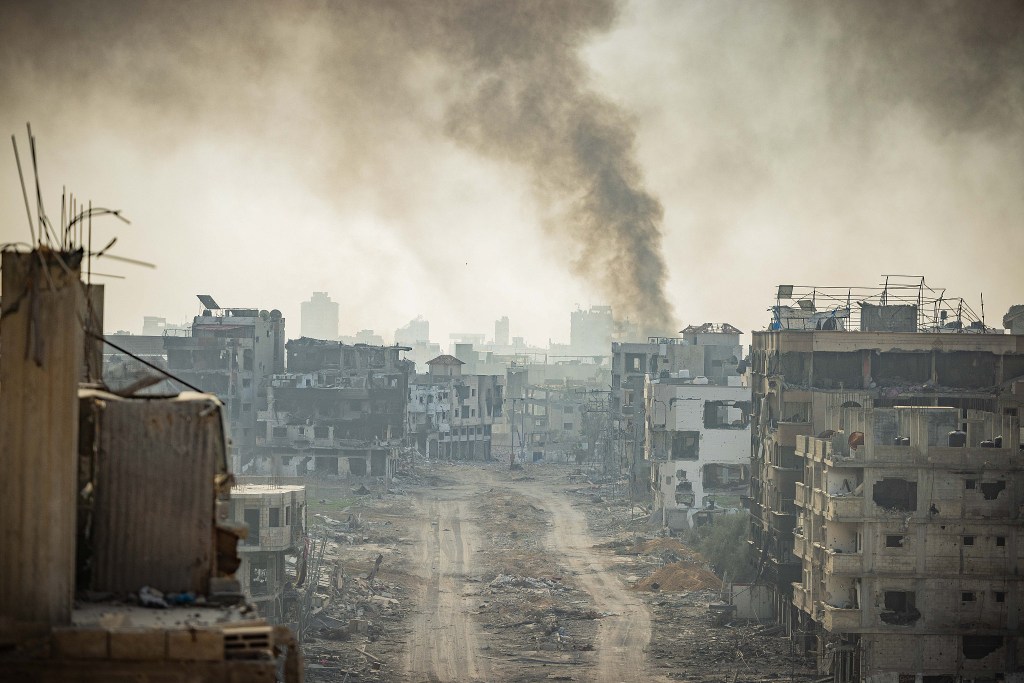
- Data Collection: AI gathers data from multiple sources, such as social media, phone data, and surveillance cameras.
- Data Processing: Machine learning algorithms analyze patterns and compile profiles based on data insights.
- Target Identification: Individuals are classified as potential threats or civilians.
- Action Recommendations: Suggested actions or further reviews are sent to military analysts for final assessment.
Each stage is represented with minimalist icons and organized in a clear flow to depict how Lavender AI moves from data gathering to final recommendations.
The Humanitarian and Ethical Implications of AI Targeting
The ethical ramifications of these technologies are significant. By accelerating the targeting process and reducing the need for human oversight, AI increases the likelihood of misidentifying individuals. It also reduces accountability, as the logic behind AI decisions can be difficult, if not impossible, for human operators to interpret. This opacity poses a moral problem: decisions made by AI could be perceived as lacking the human judgment typically afforded to military operations.
International humanitarian law mandates the protection of civilians during conflicts, and tools like “Where’s Daddy?” complicate this principle. Surveillance systems that can track and potentially categorise individuals without human context may expose non-combatants to unnecessary danger. For instance, associations or interactions that appear suspicious to an AI system may be innocent; however, the system’s conclusions may still lead to fatal consequences if acted upon without further scrutiny.
Setting a Troubling Precedent
The use of AI-driven tools for military targeting sets a worrisome precedent for global warfare practices. If AI-targeting systems prove successful in one conflict zone, they could become commonplace, spreading to other regions and potentially being misused by governments or paramilitary groups worldwide. Such technologies might eventually be deployed for domestic surveillance, control, and even suppression of dissent under the pretense of national security. The implications for human rights are especially concerning, as algorithmic biases are known to disproportionately impact minority groups and those already vulnerable to state violence.
Legal and Moral Accountability
Many have questioned how responsibility will be assigned if and when these AI systems make fatal errors. AI decision-making lacks the nuance of human ethics; it is rule-bound and data-driven, yet the data it relies on can be flawed or biased. The opacity and complexity of AI also obscure lines of accountability, as operators or governments may attempt to blame the system itself for any miscalculations. This dynamic poses a challenge to any attempt at establishing clear lines of moral and legal responsibility.
Towards Responsible AI Governance
The rapid integration of AI in military contexts necessitates a global conversation around responsible AI governance. As military use of AI expands, so too does the need for international frameworks that can prevent abuses and ensure that these technologies adhere to humanitarian standards. Initiatives to set strict standards on the deployment of AI in conflict zones could help prevent misuse, protecting civilian populations from the risks posed by automated, opaque systems of surveillance and targeting.
In the end, the debate over AI in warfare underscores a vital issue: as nations innovate, they must also ensure that technology serves, rather than undermines, human dignity.
Bibliography
- International Committee of the Red Cross. Artificial Intelligence and International Humanitarian Law. International Committee of the Red Cross, 2020. Available at: https://www.icrc.org/en/document/ethical-and-legal-implications-use-artificial-intelligence-armed-conflict
- United Nations Office for Disarmament Affairs. The Ethics of AI in Armed Conflict. United Nations, 2021. Accessed from: https://disarmament.unoda.org/the-convention-on-certain-conventional-weapons/background-on-laws-in-the-ccw/
- The Washington Post. “Israel Uses AI and Facial Recognition to Monitor Palestinians in the West Bank.” The Washington Post, 8 November 2021. Available at: https://www.washingtonpost.com/world/middle_east/israel-palestinians-surveillance-facial-recognition/2021/11/05/3787bf42-26b2-11ec-8739-5cb6aba30a30_story.html
- Wikipedia Contributors. “AI-Assisted Targeting in the Gaza Strip.” Wikipedia, The Free Encyclopedia, Wikimedia Foundation, 2023. Accessed from: https://en.wikipedia.org/wiki/AI-assisted_targeting_in_the_Gaza_Strip
- Council on Foreign Relations. The Military Applications of Artificial Intelligence: Implications for International Security. Stanley Centre for Peace and Security, 2018. Available at: https://stanleycenter.org/publications/military-applications-of-artificial-intelligence/
- https://www.theverge.com/2024/4/4/24120352/israel-lavender-artificial-intelligence-gaza-ai
Discover more from SolidarioGB
Subscribe to get the latest posts sent to your email.
