By the SolidarioGB News Desk | 8 June 2026
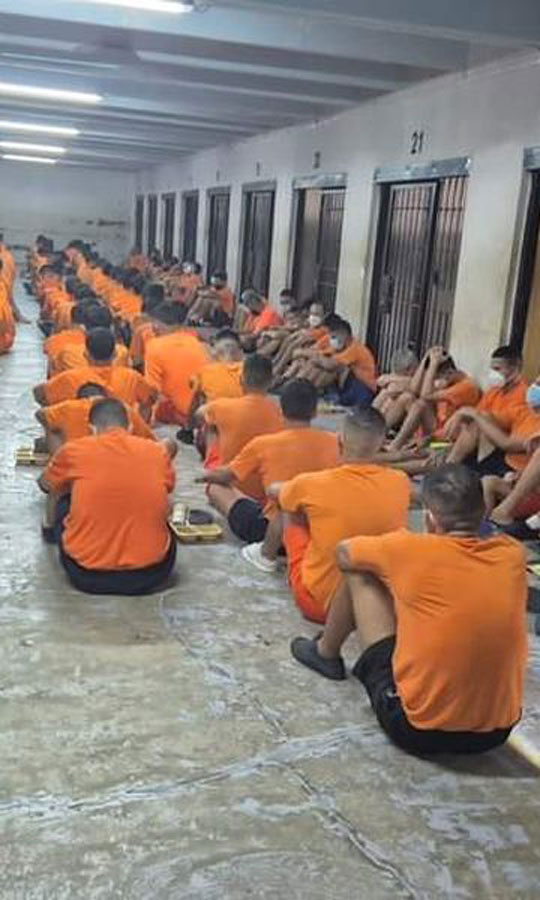
A new investigation reveals that more than three people died every day in Ecuador’s prisons in 2025 – not from gang violence, but from state-enabled starvation and medical neglect.
A devastating investigation published this week by Tierra de Nadie and CONNECTAS has exposed a man-made humanitarian catastrophe inside Ecuador’s prisons. Titled “Encerrados paramorir” (Enclosed to Die), the report finds that since the government of President Daniel Noboa militarised the country’s prisons in 2024, conditions have worsened dramatically – not improved.
In 2025 alone, at least 1,220 incarcerated people died. That is more than three deaths every single day, or one every seven hours. It is the highest annual death toll on record.
But here is what makes this year different: the killers are no longer just gang weapons. They are hunger and tuberculosis.
A Deliberate Strategy?
For years, Ecuador’s prisons were notorious for horrific gang massacres. In 2021, 497 people died, most of them in brutal violence between rival criminal groups.
But the pattern has now shifted. Of the 1,220 deaths recorded in 2025, nearly half (566) were officially classified as “natural” – diseases such as tuberculosis, pneumonia and complications from severe malnutrition. A further 448 deaths were listed as “undetermined”, meaning the state has provided no explanation at all.
Meanwhile, homicides inside prisons remain at their second-highest level ever recorded.
Experts and former prison officials interviewed for the investigation allege that this is not a failure of the state, but a deliberate choice. One former prison director put it bluntly:
“I think keeping them weak is a strategy. If violence breaks out and they want to react, the people won’t be able to respond. They will be totally weakened. The main culprit is the state.”
‘Mamita, Get Me Out of Here’
The investigation centres on the Penitenciaría del Litoral in Guayaquil – Ecuador’s largest and most overcrowded prison. Cells built for four people now hold up to twelve. Tuberculosis rates are 370 times higher inside than on the outside.
One victim was Juan Enrique, a 36-year-old father of none, serving a two-and-a-half-year sentence. His mother, Griselda, watched him waste away through desperate WhatsApp messages.
“Mamita, get me out of here. Take me to be seen. I feel unwell. Help them take me to the clinic,” he begged.
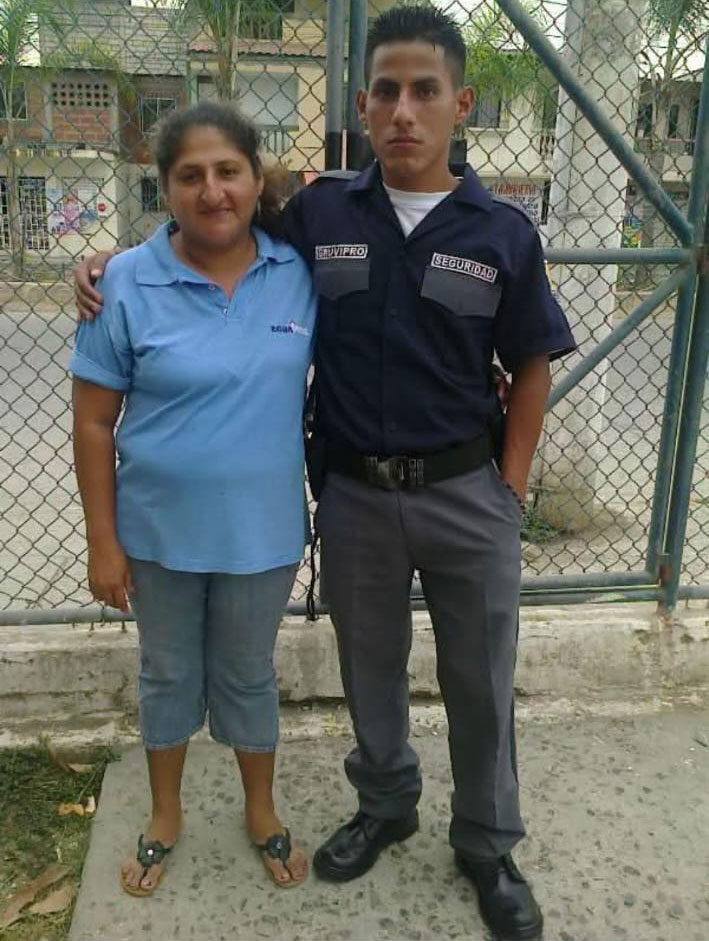
Juan Enrique before he was in prison.
In July 2025, Griselda filed a habeas corpus petition demanding medical attention for severe tuberculosis and malnutrition. A judge ordered the prison to act. But on 18 August – two days before the court hearing – Juan Enrique died alone in his cell.
His death certificate listed: myocardial infarction, respiratory failure, chronic malnutrition and pneumonia.
The judge later issued a devastating ruling, declaring a “gross violation” of Juan Enrique’s rights – including his right to life. The court ordered the state to apologise and compensate Griselda. Neither has arrived.
Paying to Survive: The Extortion Economy
For those still alive, survival comes at a price. With the state failing to provide regular food, criminal gangs inside the prisons have taken control of basic supplies. Families are extorted daily.
One mother, identified only as María, has paid nearly $2,000 over three months to keep her 20-year-old son alive. The costs include:
- A “life tax” of up to $550 per month to prevent his murder
- $10–20 per day for a single full meal
- $20 for a “tarrina” (a small container of food) – often the same state-supplied meal being resold
- $30–250 in forced payments for goods he never requested
María has sold her kitchen and her refrigerator. She now eats once a day. When she could no longer pay, her son was beaten.
“This is a message from the state that poor people have to die,” said Ana Morales, a mother who lost her son in the 2021 massacres and now leads a family support committee. “If they want them hungry, they will starve. They have learned to kill in a different way.”
Bodies in Common Graves
Perhaps most chillingly, the investigation uncovered a system of secret burials. Families are often never told their relative has died. They learn the truth from other prisoners – men who risk their own lives to send messages and photographs out of the prisons.
Eliecer Bodero spent four months believing his son Gregorio was alive. In fact, Gregorio had died on 4 October 2025. The family only found out when a fellow prisoner sent a warning.
Eliecer rushed to the Guayaquil morgue. He arrived just as a van was leaving to take unidentified bodies to a cemetery in Santa Elena, 140 kilometres away. Gregorio’s body was inside.
“They told me to wait two hours. Then they said my son was no longer there – he had been taken to a common grave,” Eliecer recalls.
He forced the morgue to turn back. Gregorio’s death certificate listed the same causes as Juan Enrique’s: heart attack, malnutrition and pneumonia.
The investigation found that at least 35 bodies of prisoners were buried in collective graves in Santa Elena in February 2026 alone. Similar sites exist in Durán and Quevedo.
A Policy of Silence
The state has refused to cooperate. The National Prison Service (SNAI), led by a retired police colonel, declined interview requests and refused to release mortality data, claiming it is “cleaning its databases” and will not be available until 2029.
The investigation obtained internal data from confidential sources instead.
Former SNAI officials admit to a deliberate “policy of concealment”. One former communications officer said: “I would call the police and they would tell me: ‘Today two died, yesterday three.’ But I never got an official report from the SNAI. The majority of journalists’ requests to enter prisons were denied. You would walk in and find a scene that is not human.”
He added: “One day I entered and three people died while I was there. They lifted the bodies and left them to one side.”
What Must Happen
The investigation concludes that Ecuador’s prisons have become “territories of death”. The militarisation promised to wrest control from criminal gangs. Instead, it has handed the state a new, quieter weapon: neglect.
For the readers of SolidarioGB, the message is clear. This is not a natural disaster. It is a man-made tragedy. And without urgent international pressure, the deaths will continue.
You can help by:
- Sharing this report widely
- Writing to the Ecuadorian embassy to demand independent prison inspections
- Supporting organisations such as the Comité de Familiares por una Vida Digna en Cárceles (Committee of Families for a Dignified Life in Prisons), who risk their lives to defend those inside
Source: Investigation by Karol E. Noroña for Tierra de Nadie and CONNECTAS, published 2 June 2026.
Discover more from SolidarioGB
Subscribe to get the latest posts sent to your email.
