
20 November 2024
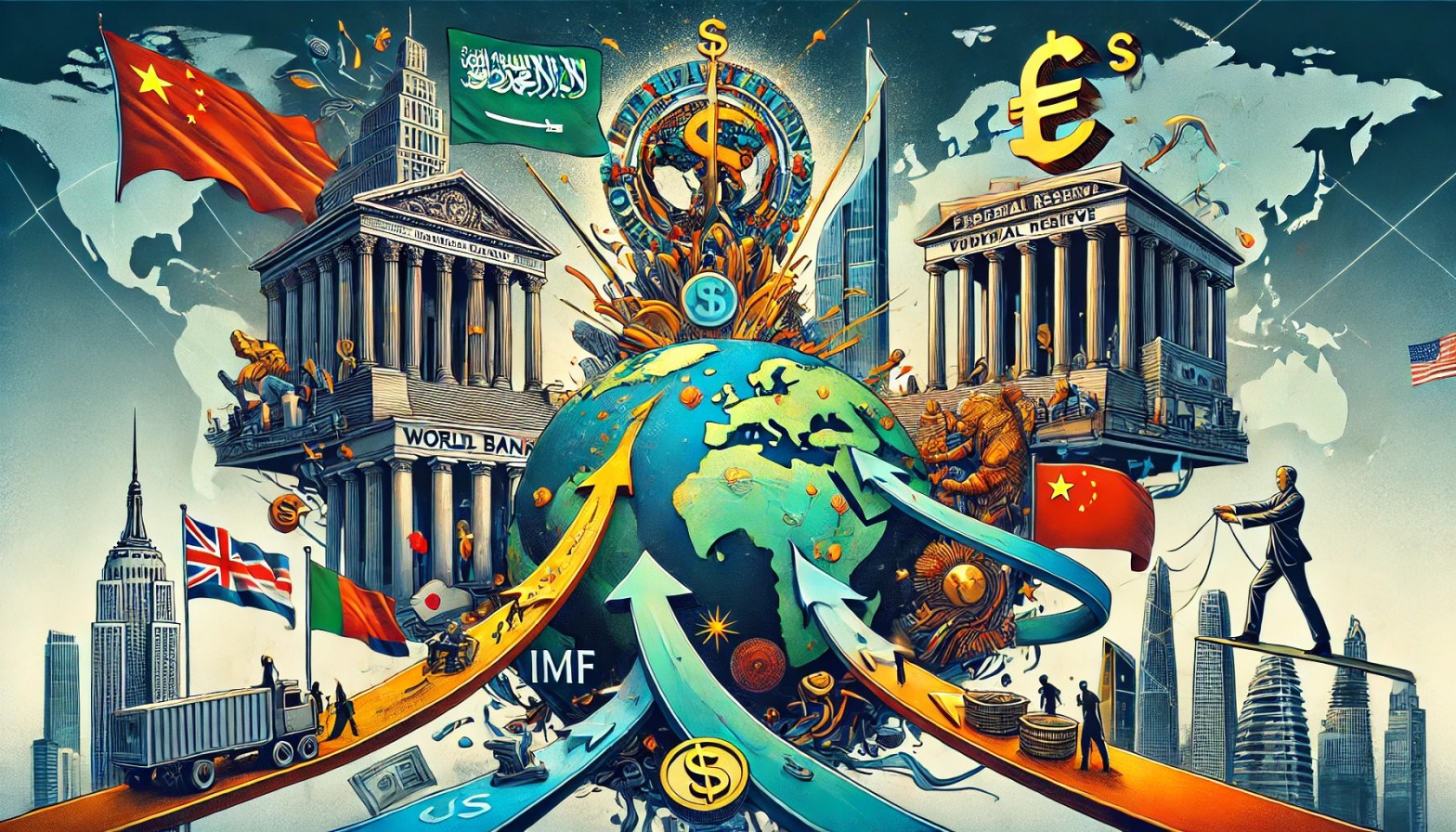
In recent years, global financial dynamics have begun shifting, with China emerging as a significant contender to the traditional Western-dominated systems. Through innovative financial strategies, including digital currencies and international investments, China is challenging the status quo. This evolution could reshape the global economic order, impacting nations worldwide.
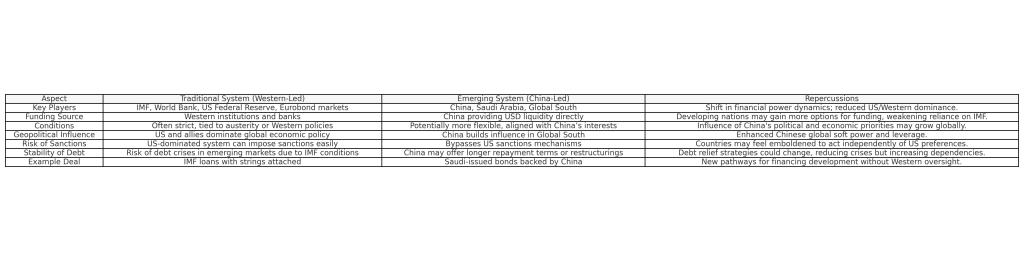
The traditional financial landscape has long been dominated by institutions such as the International Monetary Fund, World Bank, and the Federal Reserve. These entities have set the rules for global capital flows, with the US dollar serving as the world’s primary reserve currency. For decades, developing nations seeking funds in US dollars have relied on these institutions, often accepting strict conditions tied to Western policies. However, recent developments suggest that this monopoly may be weakening.
A pivotal example is the recent issuance of Saudi bonds financed by China. Valued at $2 billion, these bonds offered remarkably low interest rates and were twenty times oversubscribed by eager investors. Unlike typical Western financing, this deal bypassed US-led institutions, suggesting a new model where countries in the Global South can secure dollar liquidity directly from China. This strategy not only offers financial flexibility but also places China as a key alternative for nations wary of Western dominance.
China’s development of the digital yuan further amplifies its ambitions. As one of the most advanced central bank digital currencies globally, the digital yuan offers an alternative to the traditional SWIFT payment system. By enabling faster, cheaper, and more transparent transactions, it is particularly appealing to developing nations and regions with strong trade ties to China. If widely adopted, the digital yuan could weaken the dollar’s dominance in global trade, especially in Asia, Africa, and Latin America.
Another strategic avenue is land ownership. Chinese entities own over 384,000 acres of farmland and other properties in the United States, valued at more than $2 billion. While a small fraction of total US land, these holdings are concentrated in sectors like agriculture and near critical infrastructure, raising both economic and security concerns. Such assets could provide China with soft power within the US, although recent US policy moves aim to restrict further acquisitions.
The implications of these strategies are profound. On the one hand, China positions itself as a champion of the Global South, offering alternatives to the Western-dominated financial order. Its ability to provide USD-backed loans and currency options gives developing nations a lifeline free from the austerity measures often imposed by institutions like the IMF. This approach also enhances China’s geopolitical influence, building stronger alliances across emerging economies.
On the other hand, the United States faces growing challenges. As China expands its financial reach, the US must respond decisively to maintain its dominance. Efforts are already underway to develop a central bank digital currency, although the US lags behind in this area. Simultaneously, growing concerns over foreign land ownership have prompted legislative measures to limit Chinese acquisitions.
The coming decades could witness the rise of a multipolar financial system, where power is distributed among several major players, including China, the US, and potentially the European Union. In the short term, China’s lead in digital innovation and strategic financial partnerships may allow it to dominate this evolving landscape. However, the ultimate balance of power will depend on the US response and the ability of other nations to navigate this new world order.
As the global financial stage evolves, countries in the Global South are likely to benefit from increased options, gaining leverage in negotiating their economic futures. Yet, this shift also brings risks of heightened competition, potential economic fragmentation, and the emergence of new dependencies. The world is entering an era of uncertainty, where traditional power structures are being reshaped by emerging forces.
Discover more from SolidarioGB
Subscribe to get the latest posts sent to your email.
