31st of May 2026 | SolidarioGB | Eduardo Salgado Reyes, Editor
Chile 2026: What Happens When the Left Wins Elections but Loses Power?
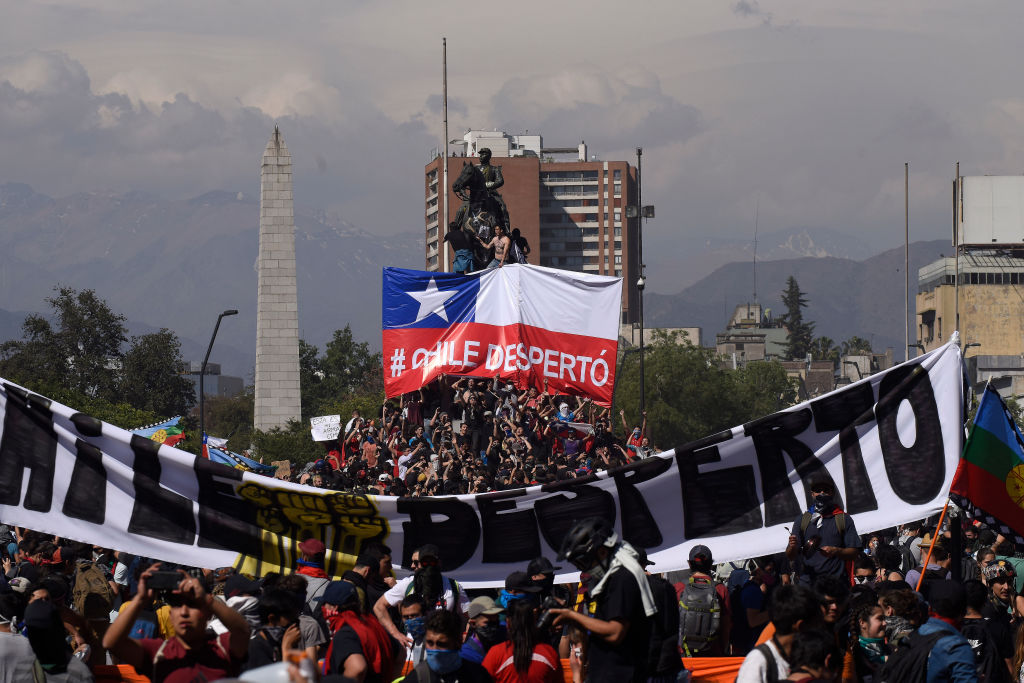
In March 2026, Chile’s far-right returned to La Moneda with a landslide. José Antonio Kast’s victory was not a sudden lurch to the right, but the end of a cycle that began with the October 2019 uprising—a cycle that saw two constituent assemblies collapse, a progressive government administer the very neoliberalism it promised to dismantle, and millions of new voters choose “to hell with all of them.”
This essay reads that collapse through two lenses rarely combined: Gramsci’s theory of hegemony, civil society, and the organic crisis, and Lenin’s What Is to Be Done? on the vanguard, economism, and the gap between trade-unionist consciousness and revolutionary direction. The result is not another post-mortem of electoral strategy, but an autopsy of the Chilean left’s failure to build what Gramsci called a war of position and what Lenin demanded from a real party: roots in the territory deeper than its roots in the institutions.
The piece pays particular attention to the PC(AP) and its UPA front—an anti-revisionist attempt to break with both sectarian isolation and institutional reformism. It asks why a correct tactical intuition still failed to stop the restoration, and what “building the social army” actually means when the enemy owns the schools, the churches, the WhatsApp groups, and the language of everyday life.
If you are interested in what comes after the defeat—what organisation, territory, and culture mean when electoral arithmetic is no longer enough—this is for you.
Read the full essay below.
Discover more from SolidarioGB
Subscribe to get the latest posts sent to your email.
