
Editorial
In the United Kingdom, our commitment to democratic principles rests on the foundation of parliamentary privilege. However, recent debates around the potential use of the National Security Act 2023 against MPs raise concerning questions about the delicate balance between national security and democratic values.
Parliamentary privilege exists to protect the independence of elected representatives, but there’s worry that it could be compromised if MPs face legal action under the guise of national security concerns. While safeguarding national security is crucial, any infringement on parliamentary privilege risks undermining our democracy.
Central to this debate is the notion of “exceptional circumstances.” While urgent national security threats demand attention, the criteria for such exceptions need careful examination to prevent potential misuse for political gain.
Beyond the halls of Parliament, curtailing parliamentary privilege could have far-reaching consequences. MPs must feel free to represent their constituents without fear of reprisal. After all, dissent and open debate are vital to democratic governance.
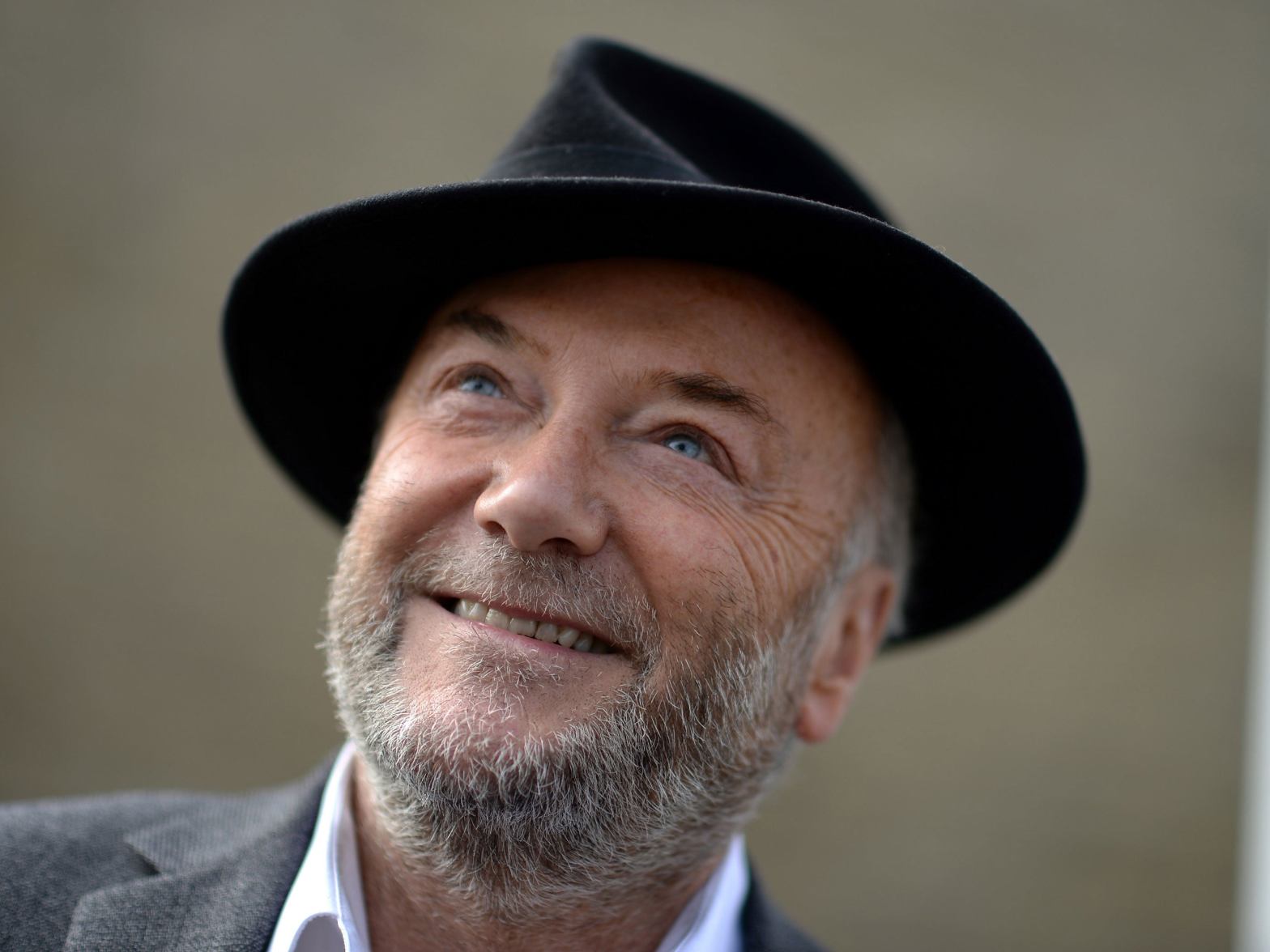
Consider the case of George Galloway, viewed by some as challenging the established political order. Any attempt to target MPs like Galloway for their political views should be met with strong opposition from defenders of democracy.
As we navigate these challenges, it’s crucial for all stakeholders to protect the core principles of our democracy. Upholding parliamentary privilege isn’t just a legal matter; it’s about preserving our values of accountability, transparency, and freedom of expression.
As discussions on the National Security Act 2023 continue, let’s remember our commitment to democratic governance, the rule of law, and individual liberties. By defending parliamentary privilege, we reaffirm our dedication to a resilient, inclusive democracy that stands firm in the face of adversity.
Discover more from SolidarioGB
Subscribe to get the latest posts sent to your email.
