6th July 2026 | SolidarioGB | Essay
Abstract
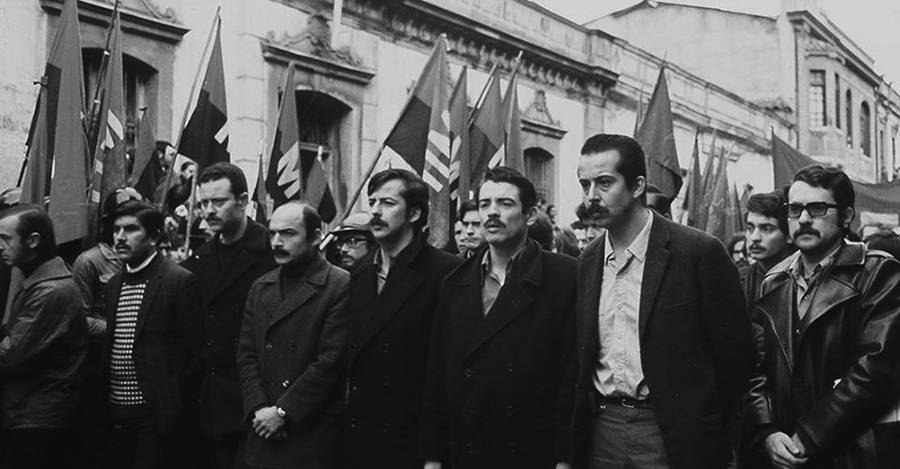
The Movimiento de Izquierda Revolucionaria (MIR) remains the most significant extraparliamentary revolutionary organisation in Chilean history. Founded in 1965 as a heterogeneous coalition of Marxists, Trotskyists, anarchists and socialist dissidents, the MIR underwent rapid radicalisation under the leadership of Miguel Enríquez, embracing a strategy of armed insurrection that positioned it at the vanguard of Latin America’s New Left. During the Popular Unity government (1970–1973), the MIR pursued a contradictory policy of “critical support” for Salvador Allende while simultaneously building autonomous “popular power” structures. Following the 1973 coup, the organisation mounted the most sustained armed resistance against the Pinochet dictatorship, suffering catastrophic losses that decimated its leadership. The MIR’s post-dictatorship history is one of serial fragmentation: splits in 1967, 1987 and beyond produced a constellation of factions—MIR-Histórico, MIR-Militar, MIR-Político, MIR-Ejército Guerrillero de los Pobres and various successor groups—most of which dissolved or were absorbed into electoral coalitions. Today, only a diminished successor organisation survives, participating in the broad left coalition Apruebo Dignidad. This essay traces the MIR’s trajectory from inception to present, critically examining its strategic evolution, organisational splits, internal strife, and historiographical treatment in the scholarly literature.
Discover more from SolidarioGB
Subscribe to get the latest posts sent to your email.
